
Scaling Edge & Hybrid Infrastructure: Unified Data Center Operations Strategies
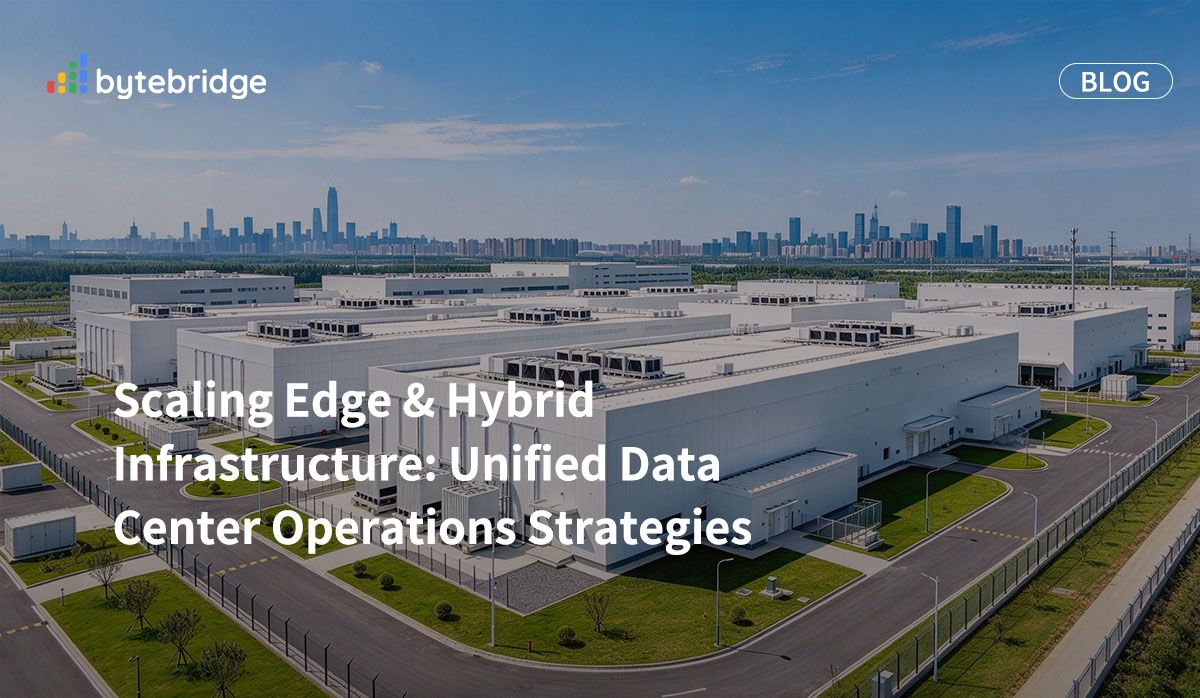
As enterprise IT architectures evolve to meet the demands of real-time analytics, latency-sensitive applications, and regional data sovereignty, workloads are rapidly shifting away from purely centralized models. Today’s infrastructure footprint spans hyperscale facilities, enterprise data centers, and an increasing network of edge nodes. However, as compute power becomes distributed, managing it grows exponentially complex.
Expanding across hybrid and edge environments introduces operational fragmentation, security vulnerabilities, and unpredictable operational costs (OPEX). To maintain system reliability without inflating overhead, organizations must transition from siloed maintenance to a standardized, unified data center operations framework.
The Bottlenecks of Distributed Infrastructure
Operating across disparate physical locations presents distinct operational hurdles:
- Visibility Blind Spots: Disconnected monitoring systems across regional facilities prevent IT teams from achieving a single-pane-of-glass view of infrastructure health.
- Resource Constraints at the Edge: Deploying skilled technical staff to every remote edge site is cost-prohibitive, leading to delayed response times during hardware failures or power disruptions.
- Inconsistent Maintenance Standards: Multi-vendor environments and non-standardized site protocols frequently cause SLA drift and uncoordinated patch management.
- Environmental & Physical Security Risks: Remote edge deployments often operate outside traditional facility controls, making them more vulnerable to localized environmental issues and unauthorized physical access.
Key Pillars of a Unified Operations Strategy
Bridging the gap between central data centers and remote sites requires an integrated operational strategy anchored by four core pillars:
1. Standardized Governance and SOPs
Establish uniform operating procedures, escalation protocols, and change management workflows across all deployments. Standardizing workflows ensures that routine maintenance, physical security checks, and emergency responses follow identical quality guidelines, regardless of facility location.
2. Centralized Monitoring & Remote Hands
Combine centralized Data Center Infrastructure Management (DCIM) telemetry with responsive on-site Smart Hands services. Central Network Operations Centers (NOCs) provide 24/7 oversight, while local field engineers address physical hardware, cabling, and cooling infrastructure on demand.
3. Predictive Maintenance Workflows
Shift from reactive troubleshooting to data-driven, proactive care. Tracking equipment health metrics—such as UPS battery cycles, HVAC performance, and rack thermal trends—allows teams to perform maintenance before critical failures occur.
4. Consolidated Vendor Management
Managing multiple localized vendors introduces friction and administrative overhead. Consolidating facility management, hardware servicing, and physical support under a unified service model streamlines accountability and reduces contract complexity.
Streamlining Operations with ByteBT
Building internal field engineering teams across multiple geographic regions is rarely efficient for growing enterprises. Partnering with a specialized provider allows organizations to scale quickly while maintaining rigorous operational standards.
ByteBT helps enterprises simplify distributed management through end-to-end Data Center Operations Services. By delivering 24/7 physical infrastructure support, standardized SLA execution, and preventive maintenance across central and remote environments, ByteBT enables organizations to maintain maximum uptime, lower operational overhead, and ensure seamless performance across every site.
Building a Scalable Operational Foundation
As edge deployments and hybrid clouds become the standard for modern computing, operational strategy must keep pace with architectural expansion. By unifying management protocols, implementing centralized visibility, and leveraging expert operational partners, enterprises can build a resilient, scalable infrastructure capable of supporting future growth.