The Hidden Cost of Intelligence
Artificial intelligence is transforming industries at breakneck speed—but its progress hinges on a resource rarely discussed in boardrooms: electricity. Training a single large AI model can consume as much power as 100 U.S. homes use in a year. As generative AI scales globally, data centers—the physical backbone of this digital revolution—are placing unprecedented stress on aging power grids. Without urgent intervention, the AI boom may stall not from lack of vision, but from lack of watts.
An Unprecedented Surge in Demand
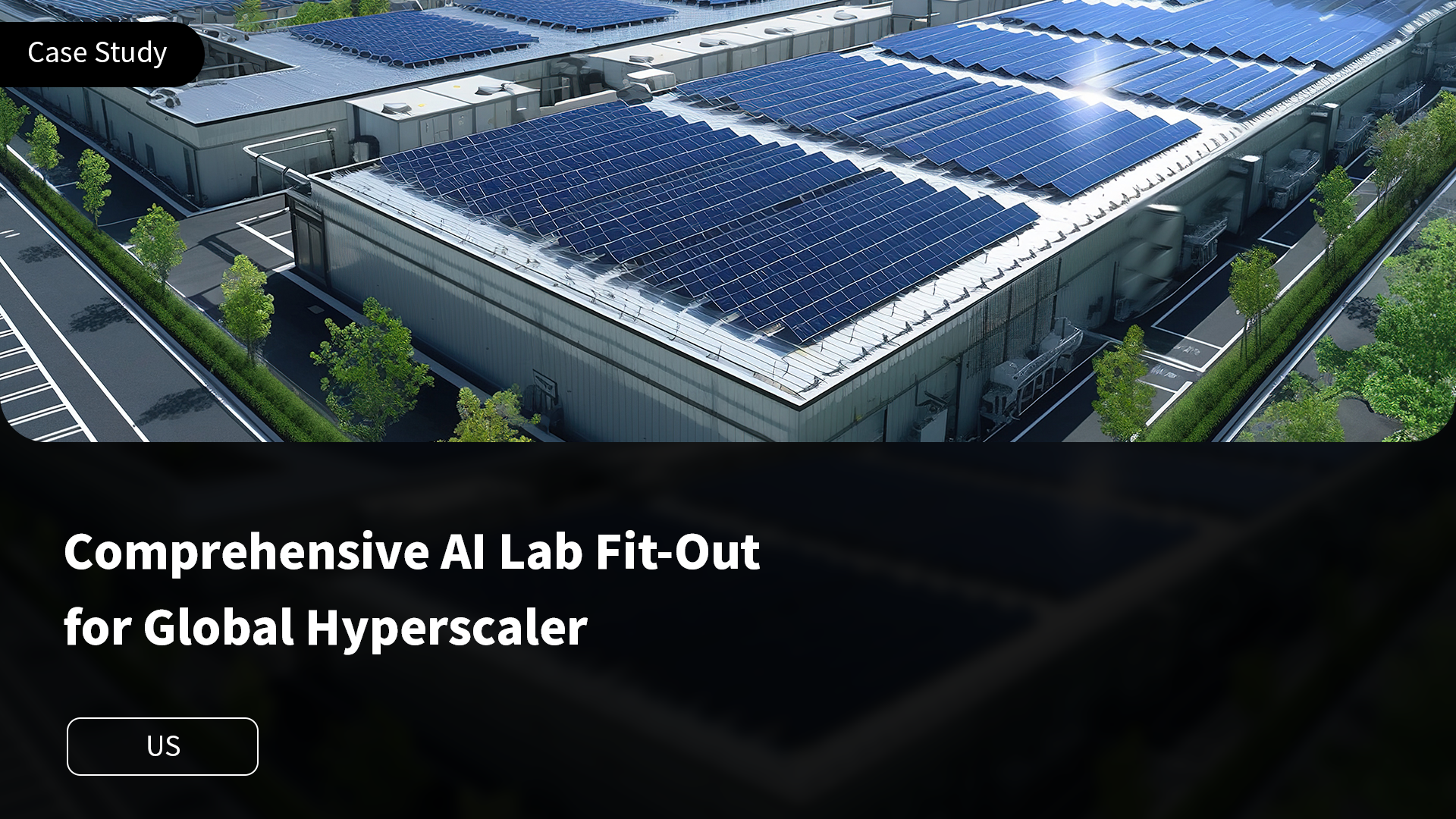
According to the International Energy Agency (IEA), global data center electricity consumption could double by 2026, with AI accounting for a growing share. High-density computing hubs like Northern Virginia—dubbed “Data Center Alley”—are already hitting capacity limits. Utilities there have paused new data center connections, citing grid instability. Similar bottlenecks are emerging in Dublin, Singapore, and Tokyo, where local infrastructure simply cannot absorb the rapid influx of high-power AI workloads. Modern AI racks often draw 50–100 kilowatts each—five to ten times more than traditional servers—creating localized “power deserts” even in developed economies.
Why the Grid Isn’t Ready
Much of the U.S. and European transmission infrastructure dates back to the mid-20th century, engineered for steady industrial loads, not volatile, hyper-concentrated demand from AI clusters. Permitting new power plants or high-voltage lines routinely takes 8–12 years due to regulatory hurdles and community opposition. Meanwhile, renewable energy sources—while critical for decarbonization—suffer from intermittency. Solar and wind alone cannot reliably support the 24/7, high-baseload requirements of AI training facilities without massive advances in grid-scale storage.
Industry Workarounds and Emerging Solutions
In response, tech giants are pursuing bold alternatives. Microsoft has partnered with Oklo to test a nuclear fission microreactor capable of powering a data center independently. Google is investing in enhanced geothermal systems in Nevada, while Amazon and Meta are signing long-term power purchase agreements (PPAs) for carbon-free energy, including next-generation nuclear and hydrogen. Some companies are also shifting non-urgent AI computations to off-peak hours or relocating workloads to regions with abundant hydroelectric power, such as Scandinavia or the Pacific Northwest.
Beyond Electricity: Water, Land, and Local Pushback
The strain extends beyond electrons. AI data centers require vast amounts of water for cooling—up to 6 million gallons per day per facility—raising concerns in water-stressed regions like Arizona and Ireland. In County Meath, Ireland, local officials have halted new data center approvals, citing competition for land and pressure on both power and water resources. These conflicts underscore a broader truth: digital growth has tangible physical footprints that communities increasingly resist.
A Call for Integrated Planning
Policymakers have been slow to recognize AI as a distinct driver of energy demand. National energy strategies rarely include provisions for “AI-ready” grids. Without coordinated action—linking infrastructure investment, clean energy deployment, and smart siting policies—the risk of localized outages or forced curtailment of computing capacity will grow.
The future of artificial intelligence depends not only on algorithmic breakthroughs but on whether society can build an energy foundation robust enough to sustain it. Innovation must be matched by infrastructure (check ByteBridge’s AI data center solutions)—or the lights may go out just as AI reaches its brightest moment.